
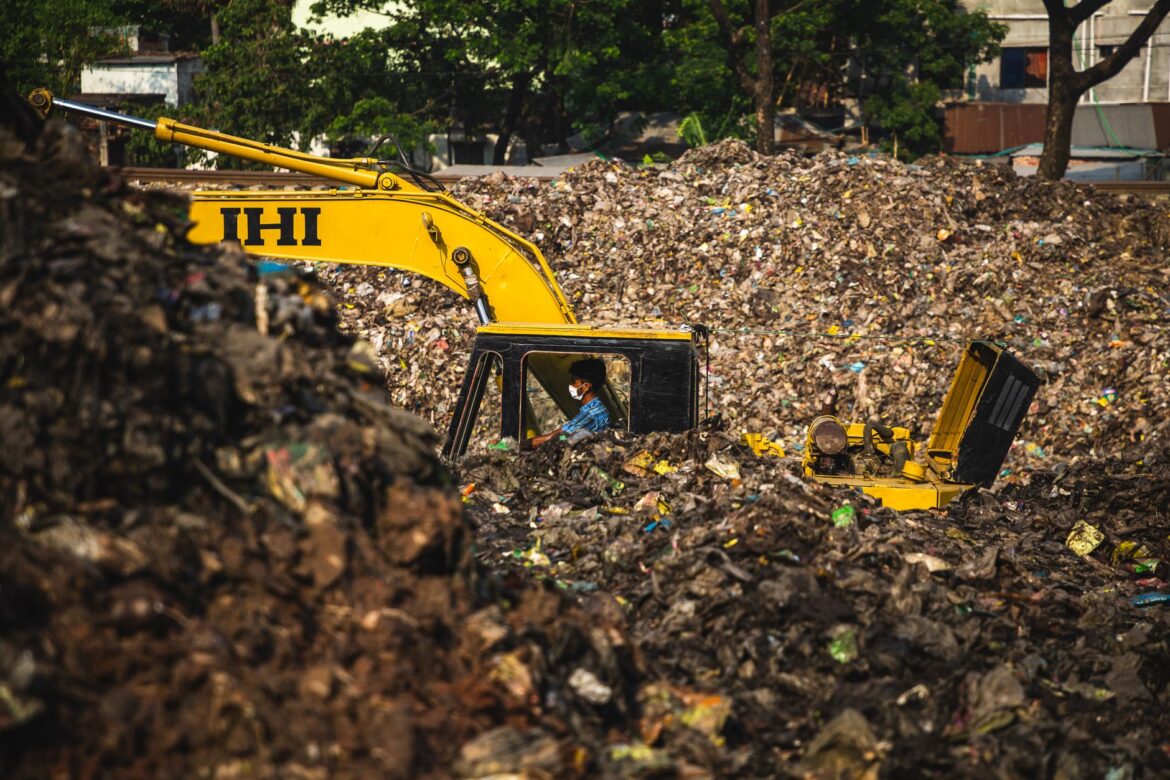
Waste management Kerala is currently embroiled in a bureaucratic tussle that is raising significant concerns among residents. This ongoing conflict highlights the challenges faced in effective waste disposal and management in the region.
Current State of Waste Management in Kerala
The current state of waste management in Kerala reveals a troubling scenario exacerbated by bureaucratic inefficiencies. Local bodies are struggling to implement effective waste management systems, which has led to mounting public dissatisfaction.
Residents often find themselves grappling with overflowing waste bins and inadequate disposal facilities. This situation has been attributed to various factors:
- Lack of Coordination: Different government agencies are often at odds, leading to fragmented efforts in tackling waste management issues.
- Insufficient Funding: Financial constraints hinder the implementation of comprehensive waste management plans, leaving many areas underserved.
- Public Awareness: A significant gap in public knowledge about waste segregation and recycling practices compounds the problem.
- Policy Delays: Lengthy bureaucratic processes slow down the approval of necessary initiatives and projects.
This bureaucratic tussle has not only raised concerns among citizens but also hindered the progress of waste management Kerala desperately needs. As communities continue to grow, the urgency for a streamlined approach to waste management becomes increasingly critical.
Impact of Bureaucratic Challenges
The bureaucratic challenges surrounding waste management in Kerala have significant repercussions on public health and the environment. These hurdles lead to inefficiencies that hinder timely waste disposal and processing, exacerbating the existing problem of waste accumulation in urban areas.
Among the most pressing impacts are:
- Public Health Risks: Ineffective waste management can result in the proliferation of disease-carrying pests and contamination of water sources, posing severe health risks to local communities.
- Environmental Degradation: Improper disposal methods contribute to soil and air pollution, undermining the natural ecosystem and affecting biodiversity.
- Financial Implications: The costs associated with delayed waste processing and cleanup efforts place a strain on local governments and ultimately taxpayers.
- Community Discontent: Residents express frustration over the persistent issues, leading to protests and a loss of trust in local governance.
The situation underscores the urgent need for a streamlined approach to waste management in Kerala, which should involve collaboration among government agencies, local communities, and private stakeholders. The resolution of these bureaucratic tussles is critical to ensuring a cleaner and healthier environment for all.
Community Reactions to Waste Issues
Residents across Kerala have expressed growing frustration over the ongoing waste management issues in the state. Many community members feel that the bureaucratic tussles are obstructing effective solutions, leading to unsightly waste piles in public areas. As one local resident put it, “It feels like our voices are lost in the bureaucratic maze.”
Community reactions highlight a mix of anger and resignation. Some key concerns raised by residents include:
- Health Risks: Many fear that the accumulation of waste poses serious health risks, particularly during the monsoon season when rainwater can spread contaminants.
- Environmental Impact: Environmentalists warn that improper waste management is damaging Kerala’s rich biodiversity and natural beauty.
- Public Engagement: There is a call for more transparent communication from local authorities, as residents seek to be actively involved in waste management initiatives.
In the face of these challenges, community groups are mobilizing efforts to advocate for better waste management practices in Kerala. They aim to bridge the gap between government action and public needs, hoping to find avenues for collaboration that can alleviate the ongoing crisis.
Government Initiatives and Responses
The government of Kerala has initiated a series of measures aimed at improving waste management across the state. However, the effectiveness of these initiatives has often been undermined by bureaucratic challenges.
Among the key programs launched are:
- Decentralized Waste Management: Aimed at encouraging local bodies to manage waste effectively within their jurisdictions.
- Awareness Campaigns: Focused on educating the public about waste segregation and reduction strategies.
- Incentives for Local Bodies: Financial rewards for municipalities that achieve targets in waste management efficiency.
Despite these efforts, many local bodies face hurdles in implementation due to cumbersome approval processes and lack of coordination among departments. Government officials acknowledge that the bureaucratic tussle over waste management has led to delays in executing projects, ultimately impacting the overall effectiveness.
Moreover, the state has been criticized for not adequately addressing the concerns of local communities, which often feel sidelined in the decision-making process. As waste management in Kerala continues to grapple with these issues, the need for a streamlined approach has never been more evident.
The ongoing struggle highlights the urgency for a cohesive strategy in waste management Kerala that prioritizes both efficiency and community engagement.
Future Solutions for Waste Management
As Kerala grapples with the ongoing challenges in waste management, innovative solutions are becoming imperative to address the pressing issues facing the state. Experts suggest a multifaceted approach that not only resolves bureaucratic bottlenecks but also empowers local communities to take charge of their waste.
One potential solution is the implementation of decentralized waste management systems. These systems can facilitate more efficient waste collection and processing at the local level, reducing reliance on centralized facilities often hindered by bureaucratic delays. Additionally, promoting community-based initiatives can foster a sense of ownership and responsibility among residents.
Moreover, enhancing public awareness through educational campaigns can play a crucial role in changing waste disposal habits. Engaging citizens in the recycling process and encouraging composting can significantly reduce the amount of waste generated.
Collaboration between government agencies and non-governmental organizations can also pave the way for innovative waste management technologies to be deployed. By leveraging new technologies, Kerala can improve its waste management framework, ultimately leading to a cleaner and more sustainable environment.
In summary, the future of waste management in Kerala hinges on embracing innovative, community-driven solutions that can effectively navigate the existing bureaucratic challenges.
The ongoing challenges in waste management Kerala have highlighted the inefficiencies within the bureaucratic system. As citizens demand accountability, the need for effective waste management Kerala becomes increasingly urgent.
Photo by Shardar Tarikul Islam on Pexels
Read the original
Related stories
US Consumer Sentiment: Worst Economic Frustration Revealed · OpenAI safety researchers: What’s the real impact? · Kore.ai Autoloop: The Best Proven Optimization Engine for AI