
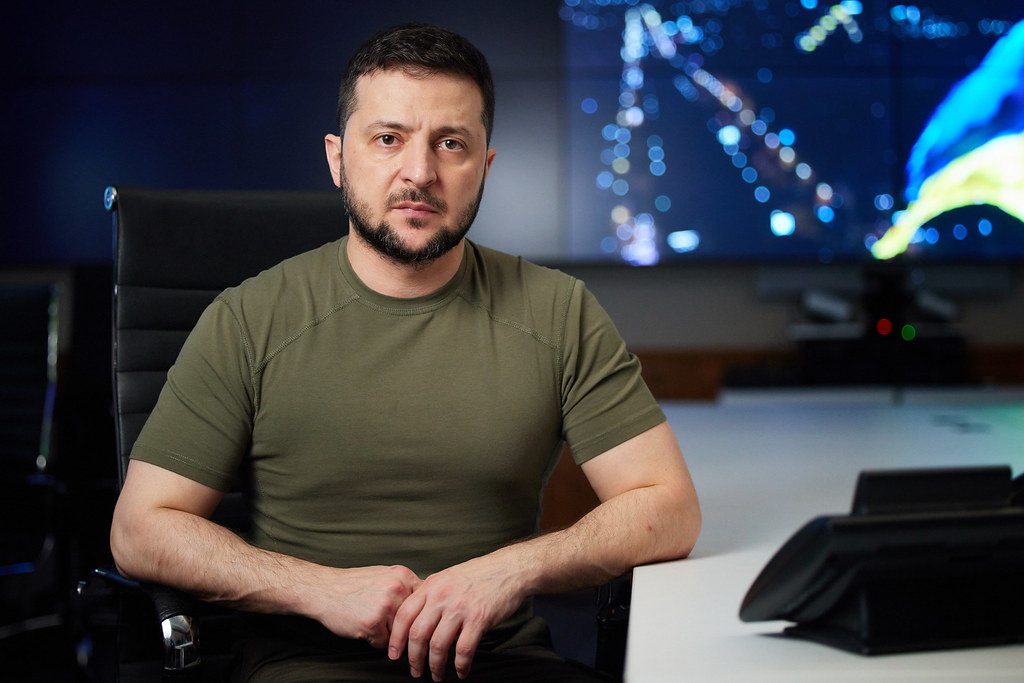
The US-Russia sanctions law raises questions about whether China could get a waiver while India faces tariff risks. This situation presents complex geopolitical challenges.
Understanding the US-Russia sanctions law
The US-Russia sanctions law has been a pivotal element in shaping international relations, particularly regarding trade and diplomatic ties. This legislation primarily targets entities engaging in business with Russia, especially those involved in sectors linked to military and energy exports.
Key aspects of the US-Russia sanctions law include:
- Economic Restrictions: Sanctions can lead to significant financial penalties for companies operating in designated industries.
- Trade Barriers: The law creates barriers to imports and exports between the United States and Russia.
- Diplomatic Implications: Countries that do not comply may face diplomatic fallout or further sanctions.
As nations navigate the complexities of this law, questions arise regarding its impact on third-party countries, particularly China. While some analysts speculate that China could receive a waiver under specific conditions, others argue that the risks of engaging with Russia could outweigh potential benefits. The ongoing situation highlights the intricate balance of international politics, especially as India faces tariff risks while managing its own relations with both the US and Russia.
Potential impacts on China
The recent implementation of the US-Russia sanctions law could have significant implications for China, particularly in its economic and diplomatic relations. As the US intensifies its efforts to penalize Russia, the ripple effects may extend beyond Moscow, potentially impacting Beijing’s strategic interests.
One of the primary concerns for China is the potential for increased scrutiny of its dealings with Russia. Should the US enforce stricter measures, Chinese companies that maintain close ties with Russian entities might face repercussions, including:
- Increased compliance costs and legal challenges.
- Potential loss of access to the US market and financial systems.
- Strained diplomatic relations with Western nations.
Moreover, as the US seeks to strengthen its alliances in the region, China may find itself caught in a delicate balancing act. It must navigate the complexities of supporting Russia while not jeopardizing its own economic future. The US-Russia sanctions law could compel China to reassess its foreign policy strategies and trade partnerships, leading to a realignment of its global economic positioning.
India’s tariff risks explained
The US-Russia sanctions law has significant implications not only for Russia and the United States but also for countries like India, which may face tariff risks as a consequence of these measures. As the geopolitical landscape shifts, India’s trade relationships could be jeopardized if it does not navigate these sanctions carefully.
India has strong economic ties with both the United States and Russia. However, the imposition of sanctions could lead to a complex situation where:
- Tariff Increases: India may encounter higher tariffs on goods exported to the US, impacting its trade balance.
- Supply Chain Disruptions: The sanctions could disrupt supply chains, particularly in sectors reliant on Russian imports.
- Investment Concerns: Indian companies with investments in Russia might reconsider their strategies due to the financial risks imposed by the US-Russia sanctions law.
As India seeks to maintain its strategic partnerships, it must carefully evaluate its position in the context of US-Russia relations. Balancing these interests will be crucial to mitigating potential economic fallout from the sanctions.
Geopolitical implications of waivers
The geopolitical implications of waivers under the US-Russia sanctions law are complex and multifaceted. As nations navigate the shifting landscape of international relations, the potential for waivers raises critical questions about alliances and economic stability.
One significant concern is the possibility that waivers could lead to increased tension between the United States and its allies. If China were to receive a waiver, it might embolden its regional ambitions, which could further strain relationships with countries like Japan and South Korea. Conversely, India’s tariff risks may hinder its economic interactions with both the US and Russia, putting it at a disadvantage.
Moreover, the perception of favoritism in granting waivers could alienate other nations that seek closer ties with the US but feel sidelined in the process. This scenario could lead to a reevaluation of foreign policy strategies around the globe. The implications of the US-Russia sanctions law and potential waivers extend beyond immediate economic concerns, affecting diplomatic relations and long-term strategic interests.
In summary, the ramifications of waivers under the US-Russia sanctions law may have lasting effects on global alliances, trade dynamics, and geopolitical stability.
Trade dynamics between China and India
The evolving trade dynamics between China and India are increasingly influenced by the tensions surrounding the US-Russia sanctions law. As both nations navigate their economic interests, the potential for diverging paths becomes evident.
China, often seen as a strategic partner for Russia, faces scrutiny with the new sanctions law that could impact its trade relations. Meanwhile, India finds itself in a precarious position, balancing its own interests while also being at risk of tariffs due to its dealings with Russia.
Several factors contribute to this shifting dynamic:
- Energy Dependence: China’s significant energy imports from Russia position it uniquely, but the sanctions law may compel it to reassess these ties.
- Market Access: India’s growing market appeal might attract investment, but the threat of tariffs looms large, potentially stunting its growth.
- Geopolitical Alliances: The alignment of both countries with different global powers could lead to conflicts in trade policies, impacting their respective economies.
Ultimately, the US-Russia sanctions law serves as a catalyst for change, prompting both nations to reevaluate their strategies in an increasingly complex global market.
Future outlook for US-Russia relations
The future outlook for US-Russia relations remains uncertain as the implications of the US-Russia sanctions law continue to unfold. As both nations navigate the complexities of their diplomatic ties, several factors will influence their trajectory.
Firstly, the enforcement of the sanctions law may lead to a tightening of economic ties between Russia and China, as Russia looks for new partners to mitigate the effects of US sanctions. This shift could further complicate US efforts to isolate Russia on the global stage.
Secondly, the potential for waivers under the US-Russia sanctions law creates a delicate balance for countries like China and India. While China may seek leniency, India faces increasing tariff risks, which could strain its relationship with both the US and Russia.
Moreover, ongoing geopolitical tensions, particularly concerning Ukraine and military alliances, will play a vital role in shaping US-Russia relations. The commitment of both nations to their respective alliances will further complicate any potential diplomatic resolutions.
Ultimately, the effectiveness of the US-Russia sanctions law will depend on global reactions and the willingness of countries to navigate this increasingly polarized environment.
By President Of Ukraine via Openverse
Where this came from
You might also like
U.S. Strategic Petroleum Reserve: What’s the Real Impact? · Leo XIV Pope: The Worst Challenge to Secular France · Is Costco Wholesale stock the Worst Investment Right Now?