A trip to Mars could come at a heartbreaking cost, raising questions about the sacrifices involved in space exploration.
The Journey to Mars: An Overview
The journey to Mars represents humanity’s boldest venture into space, yet it carries profound implications and challenges. A trip to Mars is not merely a technological feat; it demands significant financial, emotional, and ethical considerations.
As space agencies and private companies prepare for this ambitious exploration, they are making incremental advancements in spacecraft design, life support systems, and propulsion technologies. However, the cost of such missions can be staggering. Experts estimate that a manned mission could range from $100 billion to over $1 trillion.
Several factors contribute to these high costs:
- Research and Development: Extensive investment is required to develop safe and reliable spacecraft capable of sustaining life for extended periods.
- Safety Protocols: Ensuring astronaut safety in the harsh Martian environment involves rigorous testing and contingency planning.
- Psychological Impact: The emotional toll on astronauts facing isolation and confinement cannot be underestimated.
As humanity stands on the brink of this new frontier, the potential benefits of a trip to Mars must be weighed against the heartbreaking costs associated with such a monumental endeavor.
Understanding the Costs of Space Missions
As humanity sets its sights on a trip to Mars, understanding the financial implications of such an ambitious venture becomes essential. The costs associated with space missions often extend beyond mere dollar amounts, encompassing a range of factors that can impact our society and environment.
First, the monetary investment required for a successful mission to Mars is staggering. Estimates suggest that developing the necessary technology, spacecraft, and infrastructure could run into the hundreds of billions of dollars. This raises important questions about the allocation of resources.
Moreover, there are significant opportunity costs involved. Funding a trip to Mars may divert funds from critical areas such as education, healthcare, and climate change initiatives. Experts argue that while exploration is vital, we must assess its trade-offs carefully.
Additionally, the human cost cannot be overlooked. The risks to astronauts’ health and safety during long-duration space travel are profound. The psychological and physical challenges posed by the harsh Martian environment can lead to dire consequences.
In summary, while a trip to Mars holds the promise of discovery and advancement, the heartfelt costs associated with such missions warrant thorough examination and discussion.
Human Sacrifices in Space Exploration
As humanity sets its sights on a trip to Mars, the sacrifices involved in this monumental exploration become increasingly apparent. Space missions, particularly those aimed at distant destinations like Mars, demand not only financial resources but also the well-being of astronauts who embark on these journeys.
The risks associated with long-duration space travel are significant, leading to concerns about the physical and psychological toll on crew members. Some of the major sacrifices include:
- Health Risks: Prolonged exposure to microgravity can result in muscle atrophy, bone density loss, and other health complications.
- Mental Strain: The isolation and confinement of space travel can lead to severe mental health challenges, including anxiety and depression.
- Time Away from Family: Astronauts may spend years away from their loved ones, putting a strain on personal relationships.
Moreover, the potential for loss of life in the pursuit of exploration raises ethical questions. Each decision to send humans into space carries the weight of a profound commitment, highlighting the heartbreaking cost associated with a trip to Mars. As we advance in our exploration efforts, it is crucial to weigh these sacrifices against the potential benefits of discovering new worlds.
Technological Innovations for Mars Travel
As humanity sets its sights on a trip to Mars, the technological innovations required for such an ambitious journey are both exciting and daunting. Groundbreaking advancements are essential for ensuring the safety and success of the mission.
Among the key innovations are:
- Advanced Propulsion Systems: These technologies aim to reduce travel time, making the journey to Mars more feasible for human crews.
- Life Support Systems: New systems are being developed to provide sustainable habitats, ensuring astronauts have access to air, water, and food during the lengthy trip.
- Radiation Protection: Shielding from cosmic radiation is crucial, as prolonged exposure poses serious health risks to astronauts.
- Robotic Assistance: Autonomous robots will play a significant role in preparing Martian habitats, paving the way for human arrival.
Each of these innovations requires extensive research and funding, reflecting the heartbreaking cost of exploration. The challenge lies not only in the technology itself but also in the ethical implications of sending humans into the unknown, knowing the potential sacrifices involved.
Potential Benefits of Mars Colonization
The concept of a trip to Mars has captivated humanity’s imagination for decades, and while the costs are high, the potential benefits could be transformative.
Colonization of Mars presents several advantages, including:
- Scientific Discovery: Establishing a human presence on Mars could lead to groundbreaking research in fields such as astrobiology, geology, and climate science. Understanding Mars’ past could provide insights into Earth’s own history.
- Technological Advancement: The challenges of Mars colonization will drive innovation in various technologies, from life support systems to sustainable energy solutions, which could have applications on Earth.
- Inspiration for Future Generations: A successful trip to Mars could ignite interest in STEM fields, encouraging young people to pursue careers in science, technology, engineering, and mathematics.
- Human Survival: Establishing a colony on Mars could serve as a backup for humanity, ensuring our species can survive potential global catastrophes on Earth.
Despite the heartbreaking cost associated with such missions, the long-term benefits of exploring and potentially colonizing Mars present a compelling case for continued investment in space exploration.
Public Perception of Space Travel
The public perception of space travel, particularly a trip to Mars, is a complex tapestry woven from hope, excitement, and a deep-seated fear of the unknown. Many view this ambitious venture as a monumental leap for humanity, a testament to our insatiable curiosity and desire for discovery. However, beneath this enthusiasm lies a growing concern about the emotional and financial costs associated with such exploration.
Surveys indicate that while a majority of people support space missions, there is a significant subset that questions the ethics of investing billions in a trip to Mars when pressing issues on Earth remain unresolved. This dichotomy in perception is reflected in various forums, where passionate debates rage on about priorities.
- Hope for the Future: Many see Mars as a new frontier, a possible haven for humanity.
- Cautionary Voices: Critics emphasize the need to address terrestrial challenges before venturing into the cosmos.
- Emotional Toll: Families of astronauts express concerns about the safety and well-being of their loved ones.
Ultimately, the journey to Mars represents not just a scientific endeavor but a reflection of societal values and the sacrifices we are willing to endure for the sake of exploration.
Comparing Mars Missions to Other Space Endeavors
As humanity sets its sights on a trip to Mars, it is essential to compare this ambitious endeavor with previous space missions and other significant explorations. While the excitement surrounding Mars captivates the public, the costs associated with these missions often provoke a sobering reality check.
Historically, missions to the Moon, such as the Apollo program, paved the way for human space exploration. The financial investment for Apollo was approximately $25 billion in today’s dollars, showcasing the substantial resources required for success. In contrast, early Mars missions, including the Viking landers, had more modest budgets, yet they laid the groundwork for our understanding of the Red Planet.
However, as we consider a trip to Mars, the financial implications escalate dramatically. Estimates suggest that a crewed mission could cost anywhere from $100 billion to over $1 trillion. This staggering figure raises the question of how such investments compare to other critical issues on Earth, such as climate change and poverty alleviation.
Ultimately, the exploration of Mars may serve as a testament to human ingenuity, but it also demands a careful examination of priorities, drawing parallels to the sacrifices made in past missions and the costs endured in the name of progress.
Future of Human Life on Mars
The future of human life on Mars presents a complex tapestry of challenges and possibilities. As we envision a trip to Mars, we must consider not only the scientific advancements but also the ethical implications of such a monumental endeavor.
Experts agree that establishing a sustainable human presence on the Martian surface requires extensive planning and resources. Some of the primary considerations include:
- Life Support Systems: Ensuring a reliable supply of air, water, and food is critical for long-term survival.
- Psychological Well-being: The isolation and harsh conditions of Mars could take a toll on mental health, necessitating support systems for astronauts.
- Habitat Construction: Developing safe and durable habitats that can withstand Mars’ environment will be paramount.
- Resource Utilization: The ability to use local materials for building and sustenance could reduce dependence on Earth.
Moreover, the social implications of colonizing Mars raise important questions about governance, ethics, and the rights of future Martian inhabitants. As discussions about a trip to Mars grow more serious, it is crucial to address these concerns, ensuring the well-being of both current and future generations of explorers.
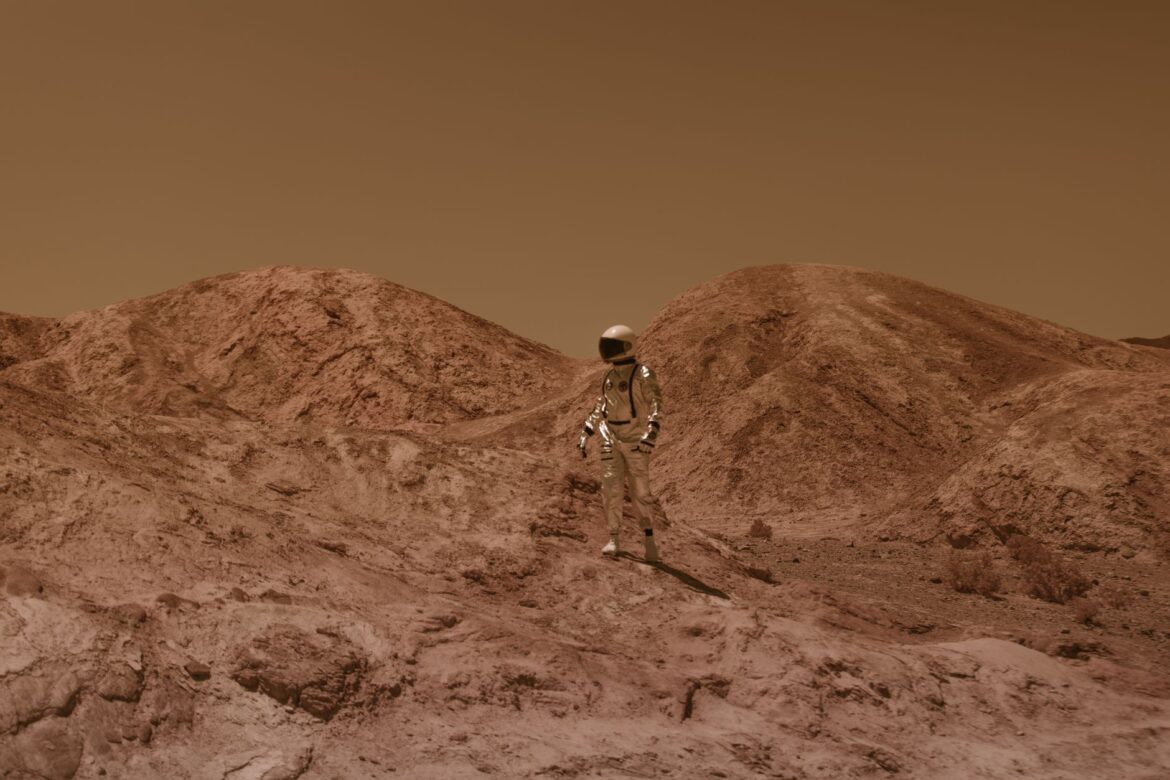
Photo by RDNE Stock project on Pexels
Sources
Related reading
PG&E power outage: Worst case scenario for 88,000 customers · Jio India IPO: Best Proven Strategy for Investors · Railway Employee Bonus: Worth Rs 2,009 Crore for Diwali