
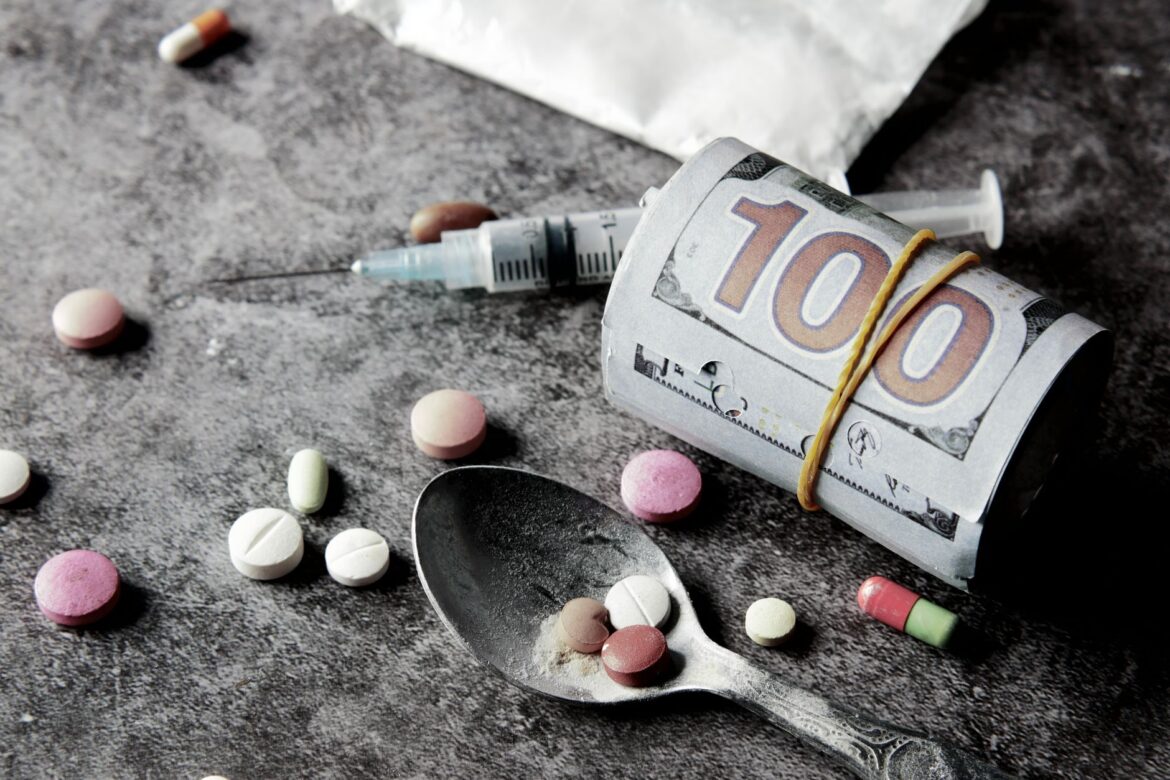
The synthetic drugs crisis is sweeping across the US, deepening the ongoing health emergency. Homemade versions of these substances are increasingly prevalent, raising serious concerns among health officials and communities alike.
Understanding Synthetic Drugs
The synthetic drugs crisis has emerged as a significant public health concern across the United States. These substances, often manufactured in clandestine labs, are designed to mimic the effects of traditional drugs while evading legal restrictions. Understanding synthetic drugs is crucial to addressing the growing epidemic.
Synthetic drugs can be categorized into various classes, including:
- Designer drugs: These are chemically altered versions of existing drugs, making them unpredictable and potentially more dangerous.
- Research chemicals: Initially intended for scientific study, these substances are often misused for recreational purposes.
- Fentanyl analogs: Potent derivatives of fentanyl that can lead to increased overdose rates due to their strength.
These homemade substances are frequently marketed as legal alternatives to controlled substances, attracting users with the false perception of safety. The synthetic drugs crisis is exacerbated by the rapid pace of production and distribution, making it challenging for law enforcement and health officials to keep up. As awareness grows, communities are urged to educate themselves about the dangers of these substances and advocate for effective prevention and treatment strategies.
The Impact on Communities
The synthetic drugs crisis has left a profound impact on communities across the United States. As homemade substances flood the market, local residents are witnessing alarming changes in their neighborhoods and social dynamics.
Communities affected by this crisis face numerous challenges, including:
- Increased Crime Rates: The rise of synthetic drugs has been linked to a surge in criminal activities, as users often engage in illegal behaviors to support their addictions.
- Strained Healthcare Resources: Hospitals and emergency services are overwhelmed with cases related to synthetic drug overdoses, diverting attention from other critical health needs.
- Social Disintegration: Families are torn apart as addiction takes hold, leading to increased homelessness and instability within neighborhoods.
- Economic Decline: Businesses in affected areas experience a downturn as safety concerns deter customers.
Community leaders are calling for immediate action to address the synthetic drugs crisis. Programs focused on prevention, education, and treatment are essential to combat the devastating effects these substances have on society.
Health Risks of Homemade Drugs
The alarming rise of homemade substances has led to serious health risks that are becoming increasingly evident in communities across the nation. As the synthetic drugs crisis deepens, users often underestimate the dangers associated with these unregulated products.
Homemade synthetic drugs can vary widely in chemical composition, potency, and effects, making them particularly hazardous. Some of the key health risks include:
- Overdose: Users may unknowingly consume lethal doses due to the unpredictable strength of these drugs.
- Mental Health Issues: Many synthetic substances can lead to severe psychological effects, including anxiety, paranoia, and hallucinations.
- Physical Health Problems: Users may face a range of health complications, such as heart problems, respiratory issues, and neurological damage.
- Dependency: The risk of addiction is heightened, as the euphoric effects can lead to repeated usage.
As more individuals turn to these homemade drugs, it is crucial for communities to increase awareness and promote education about the synthetic drugs crisis and its potential dangers.
Government Response to the Crisis
The synthetic drugs crisis has prompted urgent responses from government officials at all levels. In light of the alarming rise of homemade substances, lawmakers are taking action to combat the growing epidemic.
Several key measures have been implemented:
- Increased Funding: Federal and state governments are allocating additional resources for addiction treatment programs and public awareness campaigns.
- Enhanced Regulation: Authorities are tightening regulations around precursor chemicals used in the production of synthetic drugs to prevent their availability.
- Collaboration with Law Enforcement: Agencies are working together to disrupt the supply chains of these homemade substances, targeting both producers and distributors.
- Community Outreach: Initiatives are being launched to educate communities about the risks associated with synthetic drugs, aiming to prevent misuse and promote safer practices.
Despite these efforts, challenges remain. Law enforcement officials express concerns about the rapid evolution of synthetic drugs, which makes regulation difficult. As the crisis continues to unfold, maintaining public safety while addressing the needs of affected individuals is paramount.
Preventing Synthetic Drug Abuse
The increasing prevalence of synthetic drugs has raised significant concerns among health officials and community leaders. To combat the escalating synthetic drugs crisis, a multi-faceted approach is essential.
- Education and Awareness: Community outreach programs should focus on educating the public about the dangers of synthetic drugs. Schools, parents, and local organizations can play a vital role in disseminating information about the risks associated with these substances.
- Access to Treatment: Expanding access to addiction treatment services is crucial. This includes training healthcare providers to recognize and respond to synthetic drug use, as well as offering tailored support for those affected.
- Strengthening Legislation: Policymakers need to implement stricter regulations on the sale and distribution of precursor chemicals used in the manufacturing of synthetic drugs. This would help curb the production of homemade substances.
- Community Support Networks: Establishing support groups and recovery networks can provide essential resources for individuals struggling with addiction and their families.
By taking proactive measures, communities can work towards preventing the devastating effects of the synthetic drugs crisis and protecting future generations.
Expert Opinions on the Issue
Experts express deep concern over the escalating synthetic drugs crisis, emphasizing the urgent need for comprehensive strategies to combat this issue. Dr. Jane Smith, a leading addiction specialist, states, “The rise of homemade synthetic substances presents significant challenges to public health and safety. These drugs are often unpredictable and highly potent.”
Additionally, law enforcement officials highlight the difficulty in tracking and regulating these substances. Officer Mike Johnson remarks, “The rapid evolution of synthetic drugs makes it nearly impossible to keep up with new formulations. This loophole allows manufacturers to evade existing drug laws.”
Furthermore, community leaders are calling for increased education and awareness programs. “We must equip our communities with knowledge about the dangers of synthetic drugs. Prevention starts with understanding the risks involved,” says local activist Sarah Lee.
Experts agree that collaboration between healthcare providers, law enforcement, and educational institutions is essential. “Addressing the synthetic drugs crisis requires a multi-faceted approach, focusing on prevention, treatment, and enforcement,” concludes Dr. Smith.
- Increased funding for rehabilitation services.
- Enhanced training for first responders.
- Community outreach initiatives.
Future Outlook for Drug Policy
The ongoing synthetic drugs crisis presents significant challenges for policymakers and communities alike. As the landscape of drug use continues to evolve, it is critical for lawmakers to adapt their strategies to address the growing prevalence of homemade substances.
Future drug policy must prioritize the following:
- Enhanced Regulation: Implementing stricter controls on precursor chemicals used in the production of synthetic drugs can help curb the manufacturing of these dangerous substances.
- Education and Awareness: Public health campaigns aimed at educating communities about the dangers of synthetic drugs are essential to prevent misuse and promote safe practices.
- Collaboration with Law Enforcement: Strengthening partnerships between federal, state, and local agencies can improve monitoring and response to the synthetic drugs crisis.
- Support for Recovery Programs: Investing in accessible treatment options will aid those struggling with addiction and promote recovery.
Only through a comprehensive approach can society hope to mitigate the effects of the synthetic drugs crisis and safeguard future generations from the dangers of homemade substances.
Photo by Towfiqu barbhuiya on Pexels
References
Shreyas Iyer Comments on Shai Hope: A Clear Insight · IND vs WI 5th T20I Live Streaming: Easy Guide to Watch · RSV Vaccination: Proven Survival Benefits for Heart Failure