
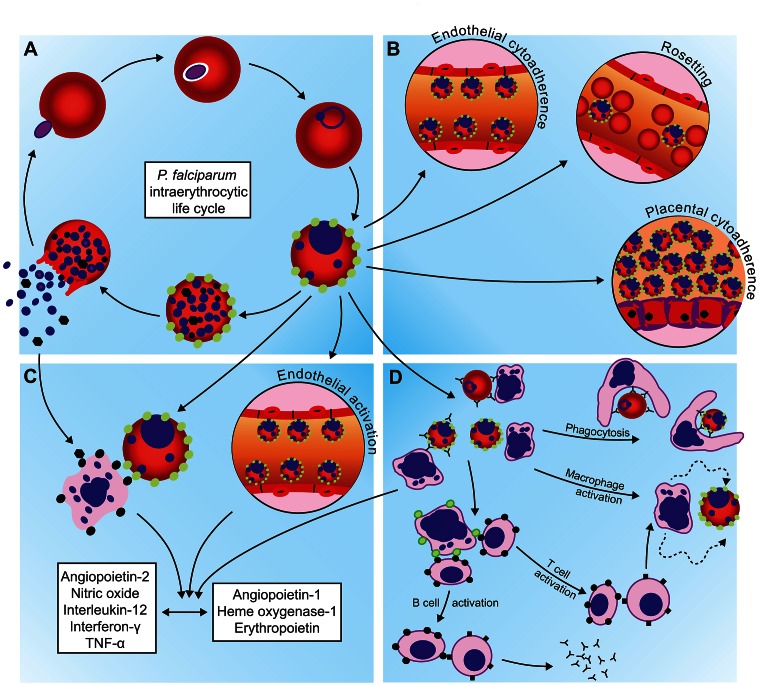
Plasmodium parasite immunity is crucial for understanding how T cells can effectively combat infections post-immunization.
Understanding Plasmodium Parasite Mechanisms
Plasmodium parasites are notorious for their ability to evade host immune responses, which poses a significant challenge for developing effective vaccines. Understanding the mechanisms by which these parasites manipulate host cells is crucial for enhancing immunity against them.
Research indicates that Plasmodium parasites can traverse host cells, which may play a pivotal role in eliciting a robust immune response. This traversal process not only helps the parasites to establish infection but also triggers a strong sterilizing T cell-mediated immunity following immunization.
The interaction between the parasites and host immune cells can lead to a complex immune environment that, if properly harnessed, could strengthen defenses against future infections. The exploration of Plasmodium parasite immunity continues to be a promising avenue for vaccine development, aiming to provide long-term protection against malaria.
- Host cell traversal enhances immune response.
- Understanding these mechanisms is key to vaccine efficacy.
- Robust T cell-mediated immunity is vital for protection.
The Role of T Cells in Immunity
T cells play a crucial role in the immune response against the Plasmodium parasite. These white blood cells are key players in recognizing and eliminating infected cells, thereby aiding in the development of immunity. When the body is exposed to the Plasmodium parasite, T cells become activated and proliferate, targeting the cells that harbor the parasite.
Research has shown that host cell traversal by Plasmodium parasites can lead to the generation of sterilizing immunity, which effectively prevents reinfection. This immunity is characterized by the ability of T cells to remember previous encounters with the parasite, allowing for a more rapid and robust response upon subsequent exposures.
Moreover, the interaction between T cells and other immune components is essential for strengthening the overall defense against Plasmodium infections, making them vital for any effective vaccine development strategy.
How Immunization Triggers Immune Response
The process of immunization against the Plasmodium parasite is intricate, triggering a robust immune response crucial for protection. When a vaccine is administered, it introduces antigens that mimic the Plasmodium parasite, prompting the body to recognize and combat these invaders effectively.
One of the most significant outcomes of this immunization is the activation of T cells. These cells are pivotal in establishing immunity and provide a defense mechanism against future infections. Upon encountering the parasite, T cells recognize specific antigens and proliferate, enhancing the body’s preparedness.
Moreover, the immune response stimulated by immunization leads to the production of antibodies. These antibodies are specifically designed to target the Plasmodium parasite, facilitating its elimination. In this way, immunization not only prepares the immune system but also fosters a long-lasting memory that can significantly reduce the risk of malaria, contributing to our understanding of Plasmodium parasite immunity.
Recent Findings in Malaria Research
Recent studies have shed light on the complex interactions between the Plasmodium parasite and the host immune system. Researchers have discovered that the ability of Plasmodium parasites to traverse host cells plays a critical role in eliciting a robust immune response. This process appears to be essential for generating sterilizing immunity, which effectively prevents malaria infection.
In particular, the findings highlight the significance of T cell activation following immunization. When the immune system encounters the Plasmodium parasite, it triggers a cascade of responses that enhance the body’s ability to combat future infections. The study underscores the importance of understanding these mechanisms, as they could lead to more effective malaria vaccines.
- Host cell traversal: A key factor in T cell activation.
- Immunization strategies: Aiming for sterilizing immunity against Plasmodium.
- Future research: Focused on enhancing immune responses.
Challenges in Developing Effective Vaccines
Developing effective vaccines against the Plasmodium parasite presents numerous challenges for researchers. One significant hurdle is the complex life cycle of the parasite, which involves multiple stages and hosts, making it difficult to target all forms effectively. Additionally, the parasite has evolved various strategies to evade the host’s immune response, complicating efforts to create a robust vaccine.
Another challenge is the variability among the parasite strains, which can lead to differences in immune responses in different populations. This variability necessitates the development of vaccines that are not only effective against a broad range of strains but also safe for diverse groups of individuals.
Moreover, the need for long-lasting immunity further complicates vaccine development, as many candidates have failed to provide sustained protection. As research continues, addressing these challenges will be critical in advancing our understanding of Plasmodium parasite immunity and achieving successful vaccination strategies.
The Importance of Sterilizing Immunity
The concept of sterilizing immunity is crucial in the fight against malaria caused by the Plasmodium parasite. This type of immunity not only prevents reinfection but also eliminates the parasite entirely from the body. Recent studies highlight the significance of T cell responses in achieving this level of protection.
Key findings suggest that:
- Effective immunization strategies can stimulate an immune response strong enough to facilitate host cell traversal by the parasite.
- These responses are essential for inducing a sterilizing effect, thereby blocking the parasite’s lifecycle.
- The development of vaccines that promote sterilizing immunity is critical for long-term malaria control.
Understanding the mechanisms that lead to sterilizing immunity against the Plasmodium parasite will be vital for future vaccine innovations and strategies aimed at eradicating malaria.
Future Directions in Parasitic Disease Research
As researchers continue to uncover the complexities of the Plasmodium parasite immunity, future directions in parasitic disease research are increasingly focusing on innovative strategies to enhance immune responses. The understanding of how Plasmodium traverses host cells has opened new avenues for vaccine development, potentially leading to more effective immunization protocols.
In addition to refining vaccine candidates, studies are exploring the role of adjuvants in amplifying T cell responses, aiming to achieve robust and long-lasting immunity. Researchers are also investigating genetic factors that influence individual responses to malaria, which could inform personalized medicine approaches.
Moreover, the integration of cutting-edge technologies, such as CRISPR and advanced imaging techniques, may provide deeper insights into how the immune system can be trained to recognize and combat the Plasmodium parasite effectively. These developments could pave the way for breakthroughs in controlling malaria and other parasitic diseases.
Implications for Global Health Strategies
The implications of understanding Plasmodium parasite immunity extend far beyond the laboratory, influencing global health strategies aimed at combating malaria. As researchers uncover the mechanisms behind T cell-mediated immunity, new avenues for vaccine development emerge.
Effective strategies must address the challenges posed by the parasite’s ability to evade the immune system. This includes:
- Implementing targeted vaccination programs that focus on at-risk populations.
- Enhancing educational initiatives about malaria prevention and treatment.
- Investing in research to develop next-generation vaccines that can induce sterilizing immunity.
By integrating findings from recent studies on the Plasmodium parasite with public health initiatives, countries can better prepare and respond to malaria outbreaks, potentially reducing morbidity and mortality associated with this devastating disease.
Research has shown that the development of Plasmodium parasite immunity can significantly reduce the severity of malaria infections. Understanding the mechanisms behind Plasmodium parasite immunity may lead to new strategies for vaccine development.
By Taylor S, Cerami C, Fairhurst R via Openverse
Sources
You might also like
Sunil Kumar Wrestling Bronze: Proven Path to Asian Games Glory · US military withdrawal from Iraq: Clear and Complete Update · Drugs seized from Iranian boat: What are the proven risks?