
Opposition vs CEC Gyanesh Kumar has become a focal point in Indian politics as the India Bloc seeks President Murmu’s intervention. This development raises significant questions about governance and political dynamics.
What Led to the Opposition’s Request?
The recent confrontation between the opposition and Chief Election Commissioner (CEC) Gyanesh Kumar has sparked significant debate within political circles. The opposition’s request for intervention stems from a series of concerns regarding the electoral process and the integrity of upcoming elections.
Several factors have contributed to this escalating situation:
- Allegations of Bias: The opposition claims that CEC Gyanesh Kumar has displayed favoritism towards the ruling party, raising doubts about the impartiality of the election commission.
- Transparency Issues: There are growing demands for greater transparency in the electoral process, with the opposition arguing that recent decisions lack clarity and accountability.
- Previous Disputes: Past disagreements between the opposition and the election commission have set a precedent for this current friction, making it a contentious issue.
- Public Trust: The opposition asserts that maintaining public trust in the electoral system is paramount, and any perceived unfairness could jeopardize the legitimacy of the elections.
In light of these issues, the opposition has called for President Murmu’s intervention, questioning whether the actions of CEC Gyanesh Kumar align with democratic principles.
Understanding CEC Gyanesh Kumar’s Role
Chief Election Commissioner (CEC) Gyanesh Kumar plays a pivotal role in overseeing the electoral process in India, ensuring that elections are conducted fairly and transparently. Appointed to his position, Kumar is responsible for implementing electoral laws and managing the conduct of elections across the country. His duties include monitoring the electoral rolls, facilitating free and fair elections, and addressing any issues that may arise during the election process.
The recent request from the Opposition to intervene in the ongoing matters concerning CEC Gyanesh Kumar raises significant questions about the independence and integrity of the electoral body. The Opposition argues that certain decisions made by Kumar may compromise the fairness of upcoming elections, prompting them to seek intervention from the President of India, Droupadi Murmu.
This situation underscores the delicate balance of power within India’s democratic framework. While Gyanesh Kumar’s role is crucial in maintaining electoral integrity, the Opposition’s concerns highlight the need for accountability and transparency in the electoral process. As tensions rise, the outcome of this confrontation may have lasting implications for India’s democracy.
India Bloc’s Political Strategies
The India Bloc has been actively formulating its political strategies in light of the ongoing tensions surrounding CEC Gyanesh Kumar. With increasing dissatisfaction towards the Election Commission’s decisions, the coalition is seeking to consolidate its position and rally support from various quarters.
One of the key components of their strategy involves:
- Mobilizing Public Opinion: The India Bloc aims to engage citizens through rallies and social media campaigns, highlighting perceived injustices in the electoral process.
- Building Alliances: Strengthening ties with regional parties is essential, as the opposition seeks a united front against the Election Commission’s actions.
- Requesting Presidential Intervention: By appealing to President Murmu, the bloc hopes to underscore the gravity of their concerns regarding CEC Gyanesh Kumar.
Additionally, the India Bloc is working on a comprehensive communication plan to ensure that their message resonates across different demographics, emphasizing the need for fair electoral practices. The focus is not just on opposing CEC Gyanesh Kumar, but on advocating for a democratic process that reflects the will of the people.
Potential Outcomes of Presidential Intervention
The potential outcomes of presidential intervention in the ongoing conflict between the Opposition and CEC Gyanesh Kumar could significantly shape the political landscape in India. As the India Bloc seeks President Murmu’s intervention, several scenarios may unfold that could either stabilize or further complicate the situation.
- Strengthened Trust in Electoral Processes: If President Murmu intervenes effectively, it could enhance public confidence in the electoral system and the impartiality of the Chief Election Commissioner.
- Increased Political Tensions: On the other hand, intervention may escalate tensions between the Opposition and the ruling party, leading to heightened political strife in the coming months.
- Legal Precedents: The president’s involvement might set legal precedents regarding the roles of various political entities and the Election Commission, potentially altering future governance dynamics.
- Impact on Upcoming Elections: How this situation is resolved could influence voter sentiment leading into upcoming elections, affecting the strategies of both the Opposition and CEC Gyanesh Kumar.
Ultimately, the involvement of the president in the Opposition vs CEC Gyanesh Kumar debate may catalyze changes that resonate far beyond the immediate political arena.
Public Reaction to the Controversy
The controversy surrounding the Opposition vs CEC Gyanesh Kumar has ignited a wave of public reactions, highlighting the polarized views on the matter. Many citizens have taken to social media platforms to express their opinions, with sentiments ranging from support for the Opposition’s stance to skepticism about their motives.
Supporters of the Opposition argue that seeking President Murmu’s intervention is a necessary step to ensure electoral integrity. They believe that the Chief Election Commissioner (CEC) must remain impartial and transparent in his role. One voter commented, “The integrity of our elections is paramount; we cannot afford any biases from the CEC.”
Conversely, critics of the Opposition view this move as a political maneuver aimed at undermining the authority of the Election Commission. Another citizen noted, “This is more about power play than genuine concern for democracy.”
As public discourse continues to evolve, the divide in opinions reflects the complex nature of Indian politics today. Whether the intervention will lead to positive changes or escalate tensions remains to be seen.
Overall, the unfolding events surrounding the Opposition vs CEC Gyanesh Kumar have stirred a significant response from the public, making it a topic of widespread discussion.
The ongoing debate surrounding the “Opposition vs CEC Gyanesh Kumar” highlights the differing perspectives on electoral integrity. As the political landscape evolves, understanding the implications of the “Opposition vs CEC Gyanesh Kumar” dynamic becomes increasingly crucial for voters.
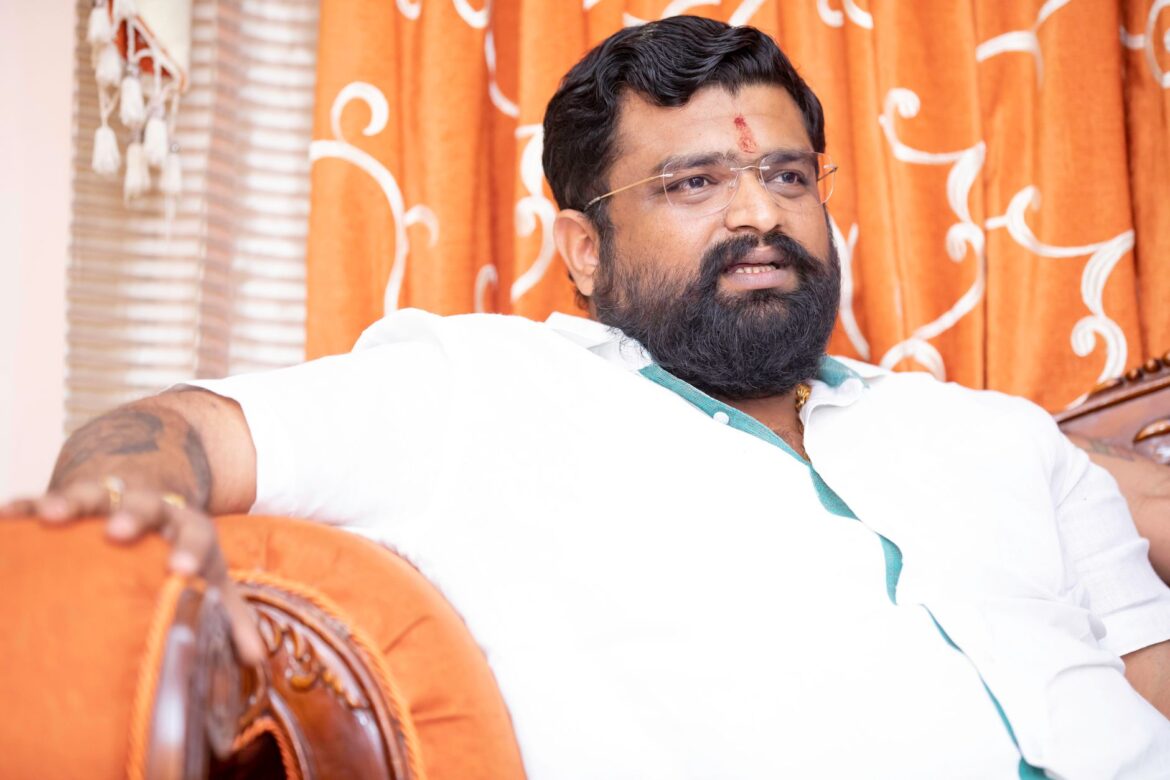
Photo by Rakesh M Desharla on Pexels