
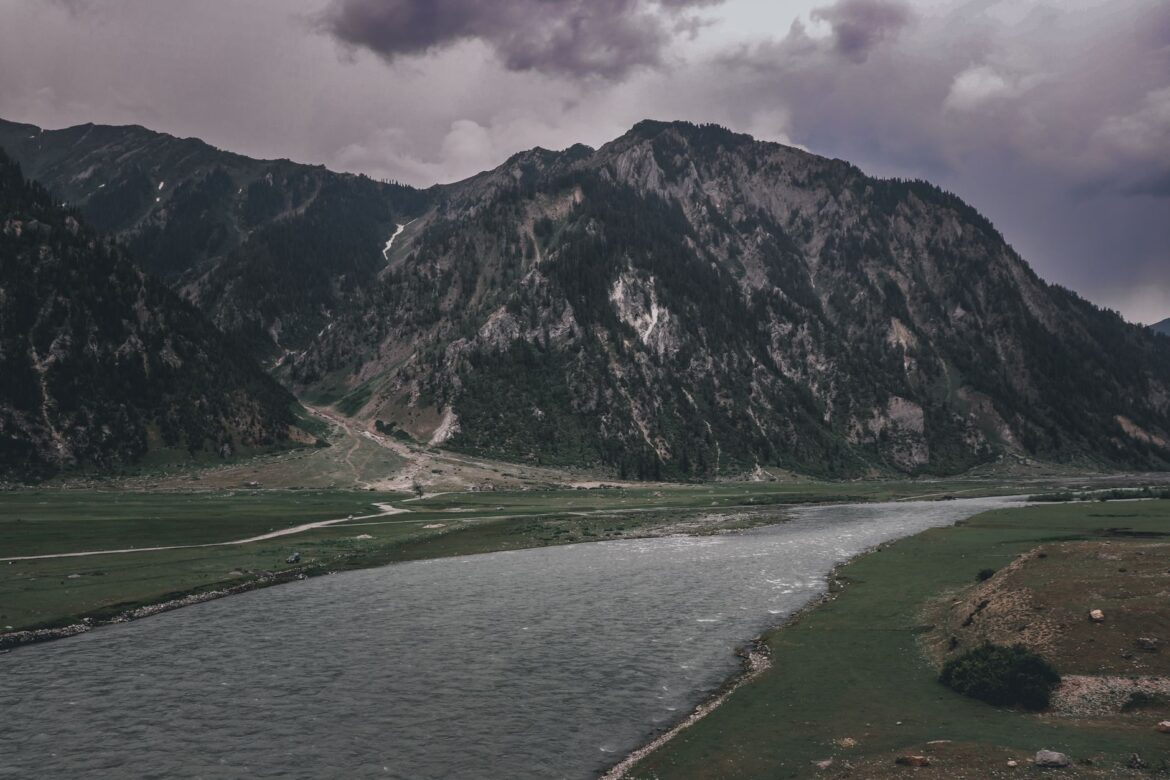
India-Pakistan tensions have reached a critical point, as Marco Rubio emphasizes the broken global system’s inability to handle them. This situation raises serious concerns about international stability and security.
Understanding the India-Pakistan Conflict
The India-Pakistan conflict is deeply rooted in historical, territorial, and political issues that have plagued both nations since their independence in 1947. The two countries have engaged in multiple wars and numerous skirmishes, primarily over the disputed region of Kashmir. Understanding the nuances of this longstanding conflict is essential to grasp the current state of India-Pakistan tensions.
Key factors contributing to the conflict include:
- Historical Grievances: The partition of British India led to mass migrations, violence, and communal strife, sowing seeds of distrust between the two nations.
- Territorial Disputes: The Kashmir region remains a focal point of contention, with both countries claiming it as their own. This dispute has resulted in several military confrontations over the decades.
- Political Dynamics: Nationalism and political rhetoric in both countries often exacerbate tensions, with leaders utilizing the conflict to rally domestic support.
- External Influences: The involvement of global powers in the region adds another layer of complexity, affecting the balance of power and diplomatic relations.
As Marco Rubio highlighted, the broken global system struggles to address these deep-rooted issues, leaving both nations in a precarious and volatile situation. The ongoing India-Pakistan tensions require careful analysis and international cooperation to pave a path towards lasting peace.
Marco Rubio’s Perspective on Global Systems
In a recent statement, U.S. Senator Marco Rubio expressed deep concern regarding the escalating India-Pakistan tensions and the inadequacies of the current global system to address such conflicts. He emphasized that the international community is facing a significant challenge in mediating disputes between these two nations, which have a long history of conflict and hostility.
Rubio noted several key factors contributing to the ineffectiveness of global entities:
- Outdated frameworks: He argued that many existing international agreements and organizations are not equipped to handle the complexities of modern geopolitical issues, including the India-Pakistan scenario.
- Lack of timely intervention: Rubio highlighted the failure of the global community to respond swiftly to rising tensions, which can lead to escalations that threaten regional stability.
- Inadequate focus on diplomacy: The senator called for a renewed emphasis on diplomatic efforts, suggesting that a more proactive approach could ease the ongoing friction between India and Pakistan.
Rubio’s comments shed light on the broader implications of failing to address these tensions effectively. He urged global leaders to reconsider their strategies, as the current system appears ill-equipped to manage the potential fallout from continued discord between India and Pakistan.
Historical Context of India-Pakistan Tensions
The historical context of India-Pakistan tensions is rooted in the partition of British India in 1947, which led to the creation of two separate states: India and Pakistan. This division was marked by significant violence and mass displacement, which sowed the seeds of animosity between the two nations.
Following partition, several key events have exacerbated these tensions:
- The Kashmir Conflict: The princely state of Jammu and Kashmir became a major flashpoint, with both countries claiming it as their territory. The first war between India and Pakistan occurred in 1947-1948, leading to the establishment of a Line of Control that still divides the region.
- Subsequent Wars: India and Pakistan fought three major wars in 1947, 1965, and 1971, with numerous skirmishes and military standoffs occurring since then. Each conflict has further entrenched their mutual distrust.
- Political and Military Rivalry: Both nations have developed their military capabilities significantly, leading to an arms race, including nuclear weapons, which adds a layer of complexity to their rivalry.
The ramifications of these historical events continue to shape contemporary relations and contribute to the ongoing India-Pakistan tensions, which remain a significant concern for regional stability and international relations.
Recent Developments in India-Pakistan Relations
In the past few months, the relationship between India and Pakistan has witnessed significant developments that have raised concerns among international observers. The ongoing India-Pakistan tensions have been exacerbated by a series of military confrontations along the Line of Control, resulting in casualties on both sides. These incidents have not only heightened the animosity between the two nations but have also drawn attention from global powers.
In a recent statement, U.S. Senator Marco Rubio emphasized that the current global system is ill-equipped to manage the escalating disputes between India and Pakistan. He pointed out that without a robust mechanism for dialogue, the situation could spiral out of control, potentially leading to conflict.
Several key factors have contributed to the current state of affairs:
- Ceasefire Violations: Continuous violations along the Line of Control have led to increased military mobilization.
- Political Rhetoric: Leaders from both countries have engaged in aggressive rhetoric, complicating diplomatic efforts.
- Regional Alliances: Shifting alliances in the region have created a more complex geopolitical landscape.
As the global community watches closely, the hope remains that diplomatic channels can be re-established to address the underlying issues fueling the ongoing India-Pakistan tensions.
The Role of International Organizations
The ongoing India-Pakistan tensions have drawn the attention of several international organizations, which often find themselves in a complicated position. These organizations aim to promote peace and stability in the region, but their effectiveness can be limited by political dynamics and national interests.
One of the primary roles of international organizations is to facilitate dialogue between India and Pakistan. Initiatives like peace talks and conflict resolution workshops are designed to encourage communication and understanding. However, the historical animosities and mistrust between the two nations often undermine these efforts.
Additionally, organizations such as the United Nations have been involved in monitoring the situation, particularly in the disputed Kashmir region. Their presence is intended to provide a neutral platform for discussions, yet the lack of decisive action can lead to frustrations among stakeholders.
Moreover, the involvement of major powers in the region complicates the role of these organizations. For instance, geopolitical interests of countries like the United States and China can influence the effectiveness of international mediation. As Marco Rubio pointed out, the current global system is perceived as broken, struggling to address such entrenched conflicts.
Ultimately, while international organizations strive to mitigate India-Pakistan tensions, their success is contingent upon cooperation from both nations and a commitment to peaceful resolution.
Impact on Regional Stability
The ongoing India-Pakistan tensions have profound implications for regional stability in South Asia. As both nations continue to navigate their complex relationship, the threat of conflict inevitably casts a shadow over neighboring countries and global security dynamics.
Increased military posturing and frequent skirmishes along the Line of Control not only escalate the risk of war but also divert resources from crucial developmental needs in both countries. This militarization can lead to:
- Economic Instability: Continuous tensions deter foreign investment and hinder trade opportunities, exacerbating economic challenges.
- Humanitarian Concerns: Prolonged conflict affects civilian populations, leading to displacement and a humanitarian crisis that demands urgent attention.
- Environmental Risks: Conflicts can lead to environmental degradation, particularly in border areas where military operations disrupt ecosystems.
Additionally, regional powers are compelled to take sides, which can further complicate diplomatic relations. The involvement of external actors often leads to increased competition among nations for influence, heightening the potential for proxy conflicts.
Ultimately, the need for dialogue and conflict resolution has never been more pressing. The international community must engage in constructive dialogue to mitigate India-Pakistan tensions and foster a more stable regional environment.
What Can Be Done to Mitigate Tensions?
To address the ongoing India-Pakistan tensions, several strategies can be implemented to foster dialogue and cooperation between the two nations.
- Diplomatic Engagement: Establishing continuous diplomatic channels is crucial. Regular dialogue can help clarify misunderstandings and prevent escalation.
- Third-Party Mediation: Involving neutral third parties, such as international organizations or respected nations, can facilitate discussions and provide unbiased perspectives.
- Economic Cooperation: Promoting trade and economic ties can create interdependence, reducing the likelihood of conflict. Joint ventures in various sectors may enhance mutual trust.
- Cultural Exchange Programs: Initiatives that encourage people-to-people contact can improve perceptions and foster goodwill. Cultural exchanges can highlight shared histories and common challenges.
- Conflict Resolution Mechanisms: Developing formal mechanisms for conflict resolution can assist in managing disputes effectively, ensuring that they do not escalate into larger confrontations.
Furthermore, addressing root causes, such as territorial disputes and historical grievances, through patient dialogue can pave the way for long-term solutions. It is essential for both nations to recognize that sustainable peace is beneficial for their populations, and a collaborative approach can lead to a more stable region. By prioritizing communication and cooperation, India and Pakistan may find pathways to reduce tensions and build a better future together.
Future Outlook for India-Pakistan Relations
The future outlook for India-Pakistan relations remains uncertain as both countries navigate a complex web of historical grievances and geopolitical challenges. The ongoing India-Pakistan tensions are exacerbated by regional rivalries, nationalistic sentiments, and differing political agendas, making diplomatic resolutions increasingly difficult.
In the coming years, several factors may influence the trajectory of these relations:
- Leadership Dynamics: Changes in political leadership in either country can shift priorities and approaches toward dialogue, potentially easing or escalating tensions.
- Economic Interdependence: Increased trade and economic cooperation could foster a more peaceful coexistence, but current hostilities hinder such prospects.
- International Mediation: The role of global powers and international organizations may prove crucial in facilitating dialogue, though their effectiveness remains to be seen.
- Public Sentiment: Nationalistic fervor can impede progress; thus, fostering a culture of peace and understanding among citizens is essential.
Ultimately, while there is hope for a thaw in relations, the deep-seated issues rooted in history and the current geopolitical climate suggest that progress may be slow and fraught with challenges. Continued dialogue and a commitment to conflict resolution will be vital for a sustainable future.
The historical context of India-Pakistan tensions reveals deep-rooted issues that continue to affect both nations. Understanding the real problem behind these India-Pakistan tensions is crucial for any potential resolution.
Photo by Tauseef Khaliq on Pexels
Read the original
Related reading
Merritronix Investor Conference: Proven Insights for Investors · AI foundations for GCCs: Proven strategies to lead by 2030 · Arrest Gyanesh Kumar: The Real Consequences Revealed