
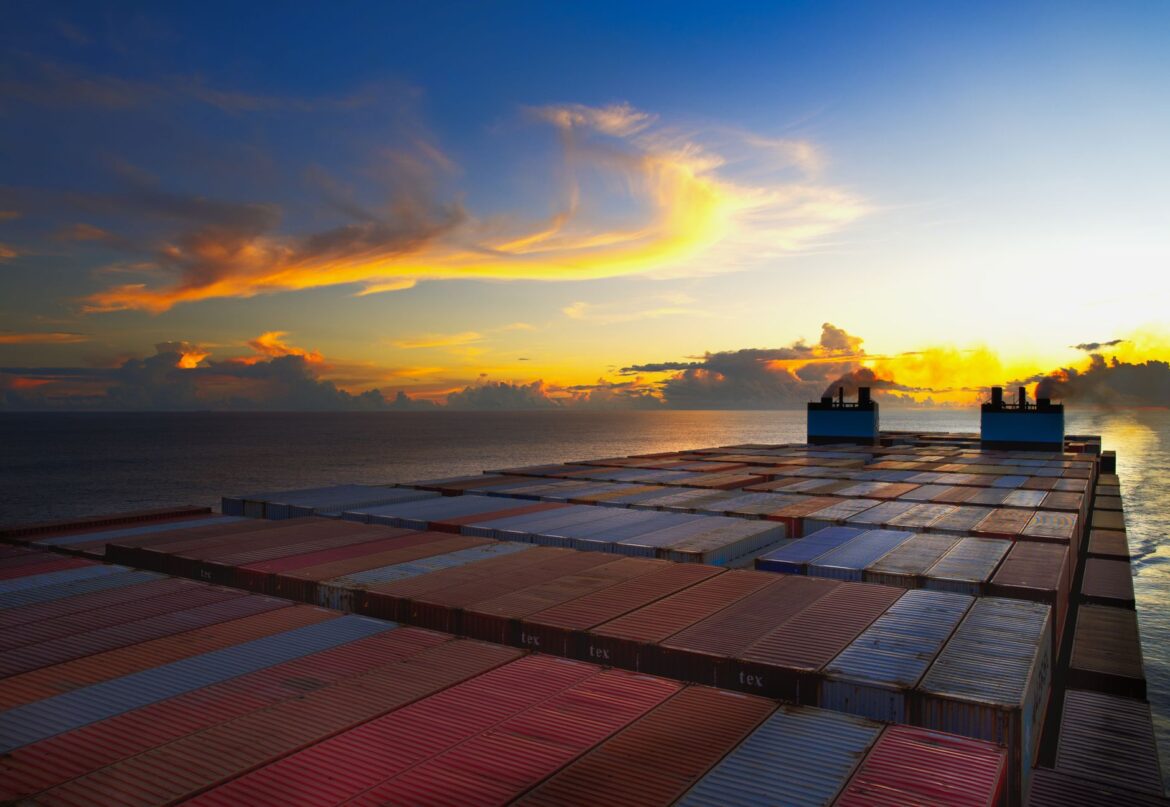
Global shipping routes are currently facing significant challenges due to Iran and Houthis blocking key passages, leading to a strain on the global economy.
Overview of the Shipping Blockade
The recent blockade of two key global shipping routes by Iran and the Houthis has raised significant concerns among economists and industry experts. This unprecedented situation is not just a regional issue; it has far-reaching implications for the global economy.
As these vital routes are disrupted, the effects are already being felt across various sectors, including trade, energy, and goods transportation. Increased shipping costs and delays threaten to inflate prices worldwide, creating a ripple effect that could lead to a recession in several economies reliant on timely deliveries.
Several factors contribute to the severity of this blockade:
- Rising shipping costs: With fewer routes available, shipping companies are forced to increase their fees.
- Supply chain disruptions: Delays in shipments can lead to shortages of essential goods.
- Geopolitical tensions: The ongoing conflict in the region complicates negotiations for resolution.
As the situation unfolds, the stability of global shipping routes remains a critical concern for international trade and economic stability.
Impact on Global Trade
The recent blockade by Iran and Houthis is causing significant disruptions in global shipping routes, leading to widespread economic repercussions. As these critical pathways remain blocked, trade volumes are declining, which affects various sectors reliant on timely deliveries.
The impact is felt worldwide, with several key areas experiencing difficulties:
- Increased Shipping Costs: The rerouting of vessels adds substantial expenses, which are likely to be passed on to consumers.
- Supply Chain Delays: Industries such as manufacturing and retail are facing delays in receiving essential goods, causing operational challenges.
- Commodity Prices: The blockage is contributing to rising prices for commodities, as supply diminishes while demand remains steady.
- Economic Growth: Countries heavily reliant on imports are experiencing a slowdown in economic growth due to the unpredictability of shipments.
The strain on global shipping routes highlights the interconnected nature of international trade and the potential for regional conflicts to have far-reaching economic consequences.
Iran’s Role in the Crisis
The ongoing conflict in the Middle East has escalated tensions surrounding global shipping routes, particularly with Iran’s involvement. Iran, alongside Houthi forces, has effectively blockaded two critical maritime pathways, which are vital for international trade. This blockade has led to significant disruptions in the flow of goods, causing delays and increased shipping costs.
Analysts warn that the ramifications of these actions could extend far beyond regional borders. The blockade not only threatens the immediate supply chains but also risks long-term economic stability across multiple nations. As a result, countries reliant on these shipping routes for essential imports face rising prices and potential shortages.
The situation highlights Iran’s strategic maneuvering in the region, using its influence to assert control over significant maritime routes. The implications for the global economy are severe, with businesses and consumers alike feeling the strain as shipping delays continue to mount.
As the crisis unfolds, the international community is urged to seek diplomatic solutions to alleviate pressures on these critical global shipping routes.
Houthi Actions Explained
The recent actions taken by the Houthi movement have significantly impacted global shipping routes, raising alarms about the potential long-term effects on the economy. The Houthis, who control parts of Yemen, have escalated their military operations, targeting vessels in key maritime chokepoints. These actions have not only disrupted shipping traffic but have also contributed to rising insurance costs for shipping companies, as the risks associated with navigating these routes have increased.
One of the critical areas affected is the Red Sea, where many commercial vessels pass daily. The blockade and attacks have led to a backlog of ships waiting to transit, causing delays that ripple throughout the global supply chain. As vital goods remain stuck, prices for essential commodities are beginning to rise, impacting consumers worldwide.
Furthermore, the situation is exacerbated by the geopolitical tensions in the region, with Iran’s support for the Houthis adding another layer of complexity. This intertwined relationship raises concerns about the stability of other shipping routes, which are crucial for international trade.
Potential Solutions for Shipping
The ongoing crisis has prompted experts to propose several potential solutions to alleviate the pressure on global shipping routes. These strategies aim to minimize disruptions and ensure the steady flow of goods worldwide.
- Alternative Shipping Lanes: Diversifying shipping routes could reduce reliance on blocked paths. By exploring less conventional routes, companies can mitigate risks associated with geopolitical tensions.
- Increased Diplomatic Efforts: Engaging in dialogue with involved parties may lead to a resolution of conflicts impacting shipping. Diplomacy can pave the way for agreements that ensure safer passage for vessels.
- Enhanced Security Measures: Investing in security for cargo ships can deter potential threats. Implementing better surveillance and protection strategies may help safeguard vessels traversing volatile areas.
- Collaborative Shipping Alliances: Forming partnerships among shipping companies can enhance resource sharing and provide collective bargaining power, improving overall resilience against disruptions.
By adopting these measures, the shipping industry could better navigate the current challenges and maintain the stability of global trade.
Future of Maritime Security
The future of maritime security is increasingly uncertain as tensions in key regions escalate. With the ongoing blockade affecting global shipping routes, stakeholders must reassess their risk management strategies. The implications of these disruptions extend far beyond immediate trade losses.
Experts emphasize the necessity for nations to enhance their naval capabilities and collaborate on intelligence-sharing initiatives. As shipping lanes become increasingly vulnerable, the importance of a unified approach to maritime security cannot be overstated.
In response to the crisis, several countries are exploring various options, including:
- Increased military presence in strategic waterways.
- Partnerships with regional allies to ensure safe passage.
- Investment in maritime technology to monitor and mitigate threats.
As the global economy continues to feel the strain from these disruptions, the resilience of shipping routes will be crucial. Stakeholders must adapt to ensure that maritime security evolves alongside the challenges posed by geopolitical tensions.
Photo by Pankaj Mishra on Pexels