
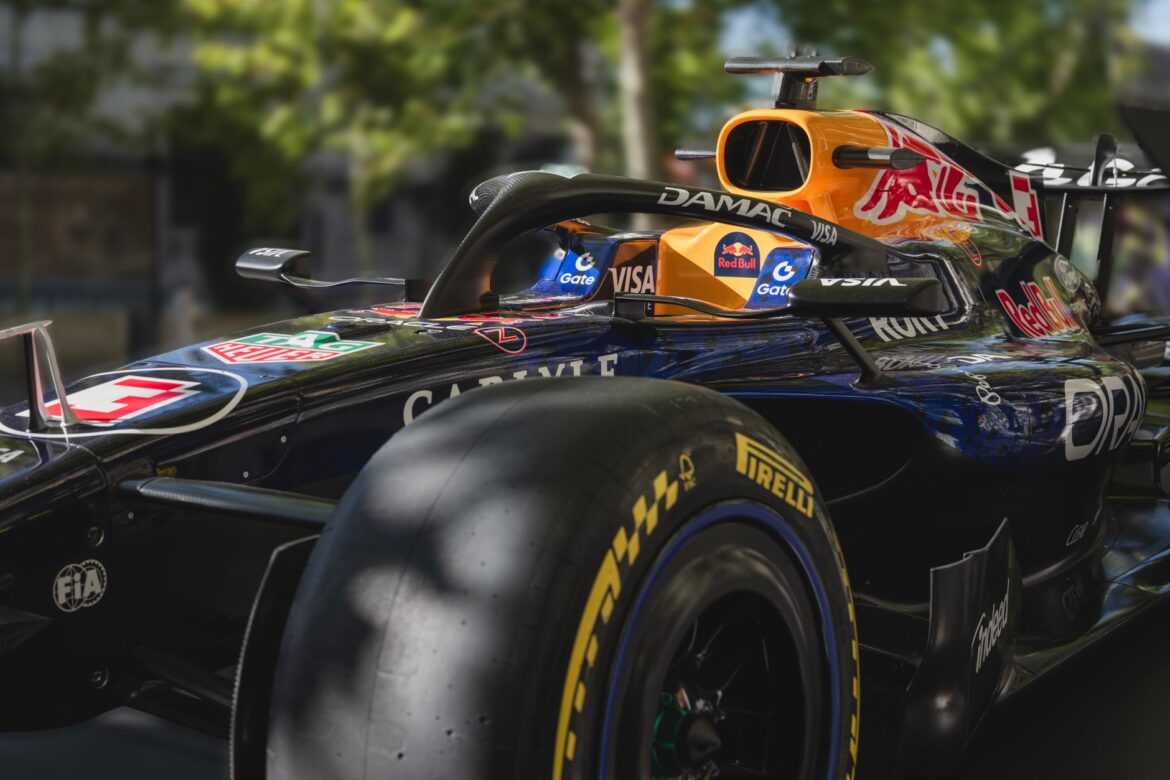
Baku Grand Prix FP1 showcased the unexpected as Antonelli stops on track, raising concerns about the race’s safety and dynamics.
Overview of Baku Grand Prix FP1
The Baku Grand Prix FP1 session witnessed a dramatic turn of events as drivers navigated the challenging street circuit in Azerbaijan. The atmosphere was electric, with teams eager to gather crucial data ahead of the weekend’s race. However, the session was marred by a significant incident that brought the proceedings to a halt.
During the early stages of the practice session, a car driven by young talent Andrea Antonelli came to a standstill on the track. This unforeseen halt prompted immediate intervention from the safety team, causing a red flag as officials worked to remove the vehicle. The incident raised concerns about the reliability of the cars in such a demanding environment.
In the moments leading up to the stoppage, several drivers were showcasing their skills on the circuit, with many pushing their limits to find optimal racing lines. Teams utilized this opportunity to test various setups and tire compounds, gathering valuable insights that could influence their strategies for the race.
As the session resumed, drivers quickly adapted to the brief interruption. The Baku Grand Prix FP1 ultimately served as a reminder of the unpredictable nature of Formula 1, where each session can bring unexpected challenges alongside thrilling performances.
Fans and commentators alike will be eager to see how these developments impact the remainder of the weekend.
What led to Antonelli’s stop on track?
The Baku Grand Prix FP1 witnessed a shocking turn of events when driver Antonelli was forced to stop on track due to a series of unfortunate circumstances. The incident occurred shortly after the session began, leaving fans and teams in disbelief.
Initial reports suggest that the issue was related to a mechanical failure, which is a common concern on the tight and technical streets of Baku. The challenging circuit, known for its high-speed straights and narrow corners, often puts immense strain on the cars. This unique combination of factors can lead to unforeseen malfunctions, and unfortunately, Antonelli was a victim of this harsh reality.
Moreover, the team had been experiencing difficulties in the lead-up to the event, which might have contributed to the incident. Several factors were at play:
- Pre-event setup: Unfavorable weather conditions during practice impacted car tuning.
- Data analysis: The team struggled to gather accurate telemetry data due to intermittent connectivity issues.
- Component wear: Some parts may have been more worn than anticipated, leading to the failure.
As the Baku Grand Prix FP1 continues, teams will be eager to analyze the incident and ensure that such issues do not plague their performance in future sessions.
Impact on the race dynamics
The recent incident during the Baku Grand Prix FP1 has raised questions about its impact on the overall race dynamics. With Antonelli’s car stopping on track, the session was interrupted, leading to unforeseen consequences for all teams involved.
During the stoppage, teams were forced to reassess their strategies. The unexpected yellow flags complicated the already challenging conditions of the Baku circuit. Drivers who were on hot laps had to abort their attempts, while others had to manage their tire temperatures more carefully.
As a result, the teams had to adapt quickly to the new circumstances. Some key impacts on the race dynamics include:
- Strategic Adjustments: Teams had to revise their qualifying approaches based on the limited data gathered during the session.
- Tire Management: With the track conditions fluctuating, drivers needed to be cautious, which could affect their performance in the later stages.
- Data Collection: The interruption hindered the amount of data collected, which is vital for race preparations.
This incident not only influenced the immediate session but also set the stage for potential challenges in the race itself. As teams analyze the data and adapt, the true impact of this disruption will unfold in the coming days.
Reactions from drivers and teams
In the aftermath of the dramatic events during the Baku Grand Prix FP1, reactions from drivers and teams have poured in, highlighting the intensity of the situation. Many drivers expressed their shock at the incident involving Antonelli, which halted the session and raised safety concerns.
- Max Verstappen, the reigning champion, commented, “It’s always concerning when something like that happens. Safety is paramount, and we must ensure the track is secure for everyone.”
- Lewis Hamilton shared his thoughts, stating, “I hope Antonelli is okay. This sport can be incredibly dangerous, and we need to keep pushing for improvements.”
- Ferrari’s team principal emphasized the need for a thorough investigation, saying, “We must analyze what went wrong and learn from it to prevent future incidents.”
Team principals across the paddock echoed these sentiments, highlighting a unified call for enhanced safety measures. The incident not only affected the teams’ strategies for the race but also brought to light the unpredictable nature of the Baku Grand Prix FP1. As teams regroup to adapt their plans, there is an underlying current of solidarity among them, focused on ensuring the well-being of all competitors.
Safety measures in place
As the Baku Grand Prix FP1 unfolded, safety measures remained a top priority for the event organizers, especially following the recent incident involving Antonelli. The unique layout of the Baku City Circuit, known for its narrow streets and challenging corners, necessitates stringent protocols to ensure the well-being of drivers and teams.
Officials implemented the following safety measures:
- Track inspections: Regular assessments of the track conditions were conducted to identify any potential hazards that could affect the drivers during the session.
- Medical teams on standby: A fully equipped medical team was stationed at strategic points around the circuit to respond swiftly in case of any accidents or emergencies.
- Virtual Safety Car (VSC) deployment: The VSC system was ready to be activated if an incident occurred, allowing the race to continue under controlled conditions and minimizing risk.
- Driver briefings: Prior to the session, drivers participated in thorough briefings focused on safety protocols and the specific challenges of the Baku Grand Prix FP1 track layout.
These measures reflect the commitment of F1 organizers to prioritize safety, especially in a high-stakes environment like the Baku Grand Prix FP1, where the combination of speed and tight corners can lead to unforeseen incidents.
Upcoming challenges for the teams
As teams prepare for the upcoming challenges at the Baku Grand Prix FP1, several factors are expected to influence their performance on the tight and twisty street circuit. The unpredictable nature of the track, combined with the potential for further incidents like Antonelli’s stop, underscores the need for strategic planning and adaptability.
One primary challenge is the tire management. The mix of long straights and sharp corners puts immense stress on the tires, which can lead to overheating and degradation if not handled properly. Teams will need to find the optimal balance between speed and tire preservation to avoid any significant setbacks during the race.
Another concern is the weather conditions. Baku is known for its variable climate, with sudden changes in temperature and wind speed. These elements can drastically affect car setup and overall grip on the track, making it crucial for teams to stay vigilant and adjust their strategies accordingly.
Moreover, the risk of penalties due to incidents on track remains high. With limited overtaking opportunities, teams must also focus on positioning during qualifying to secure favorable grid spots. The combination of these challenges makes the Baku Grand Prix FP1 a critical test for all teams as they navigate the complexities of this unique racing environment.
Conclusion and future expectations
In conclusion, the Baku Grand Prix FP1 has revealed significant challenges and safety concerns that teams must address moving forward. The incident involving Antonelli stopping on the track not only raised alarms about driver safety but also emphasized the unpredictable nature of street circuits. Teams will need to analyze the data collected during this session to understand how to improve their strategies and car setups in light of these developments.
Looking ahead, the teams face a series of upcoming challenges that will test their adaptability and resilience. The Baku circuit, known for its tight corners and high-speed straights, demands precision and quick decision-making. As the weekend progresses, teams must refine their performance to avoid further incidents and capitalize on any opportunities that arise during the race.
Moreover, the reactions from drivers and teams will play a crucial role in shaping future safety measures. Continuous dialogue and collaboration among all stakeholders in the sport will be essential to enhance safety protocols and track management. Ultimately, the experience garnered from the Baku Grand Prix FP1 incident will be invaluable as Formula 1 strives to ensure a safer racing environment, allowing for thrilling yet secure competitions.
- Increased focus on safety protocols
- Adaptation of strategies by teams
- Enhanced driver communication
Photo by Miguel Cuenca on Pexels
References
You might also like
Anupam Kher Advice: Govinda’s Marriage Troubles Explained · NEET-PG 2026 results: Quick updates on declaration date · Catastrophic floods Hawaii: Prepare Now for Proven Safety