
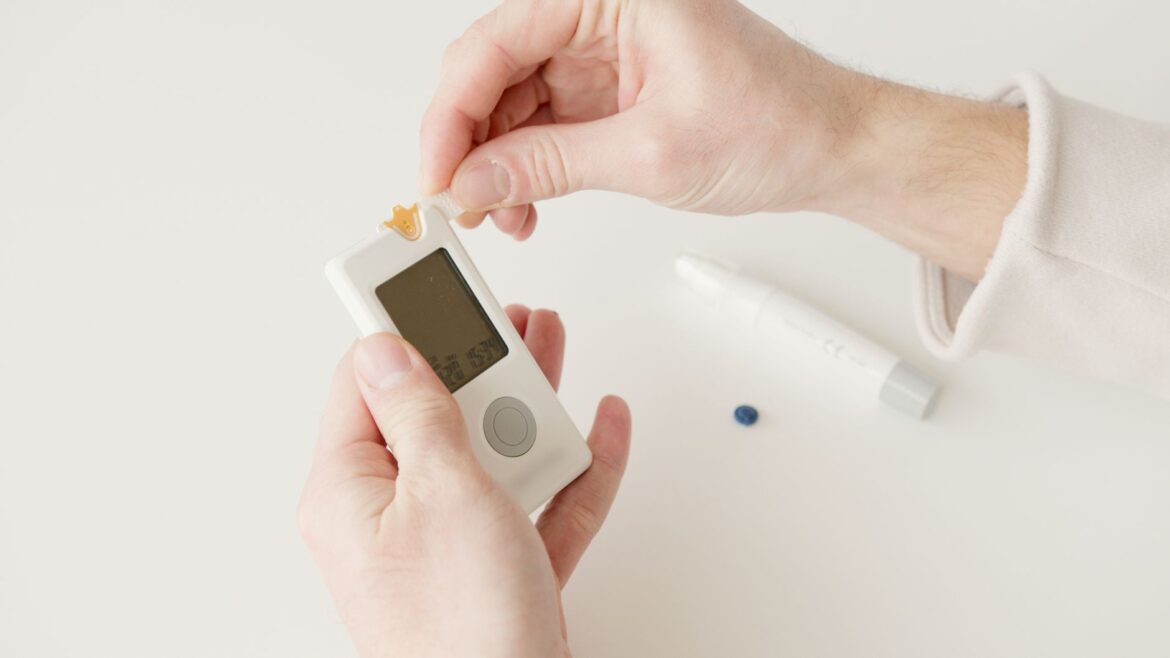
Diabetic retinopathy screening is essential for early detection and management of this common eye condition. The upcoming AAO 2026 conference aims to address the screening gap effectively.
Understanding Diabetic Retinopathy
Diabetic retinopathy is a serious eye condition that affects individuals with diabetes. It occurs when high blood sugar levels damage the blood vessels in the retina, leading to vision impairment and potential blindness if left untreated.
The condition often progresses without noticeable symptoms in its early stages, making regular diabetic retinopathy screening essential for early detection and intervention. During screening, an eye care professional examines the retina for any signs of damage, which can include:
- Microaneurysms: Small bulges in blood vessels that can leak fluid.
- Hemorrhages: Leakage of blood from damaged vessels into the retina.
- Exudates: Deposits of lipids or proteins that indicate retinal damage.
- Neovascularization: Growth of new, fragile blood vessels that can lead to further complications.
Early detection through diabetic retinopathy screening can significantly reduce the risk of severe vision loss. Many health organizations advocate for annual screenings for individuals with diabetes, particularly those over the age of 40 or who have had diabetes for a long period. By understanding the importance of screening, patients can take proactive steps to protect their vision and overall health.
Importance of Early Screening
Early detection of diabetic retinopathy is crucial for preventing vision loss among individuals with diabetes. Diabetic retinopathy screening has become an essential part of diabetes management, enabling healthcare providers to identify the condition before it progresses to more severe stages.
There are several reasons why early screening is important:
- Prevention of Vision Loss: Timely identification of diabetic retinopathy can lead to interventions that significantly reduce the risk of blindness.
- Improved Treatment Outcomes: Early detection allows for more effective treatment options, including laser therapy and medication, which can stabilize or even improve vision.
- Increased Awareness: Regular screening promotes awareness among patients about the importance of eye health and diabetes management.
- Cost-Effectiveness: Preventing advanced disease through early screening can reduce the long-term costs associated with more severe eye diseases and their complications.
As healthcare organizations strive to close the screening gap in diabetic retinopathy, education and accessibility play key roles in encouraging patients to participate in regular screenings. Ultimately, early screening can be a game-changer in preserving sight and improving quality of life for those living with diabetes.
AAO 2026 Conference Highlights
The recent AAO 2026 Conference brought together experts from around the globe to address the critical issue of diabetic retinopathy screening. With a growing prevalence of diabetes, the need for effective screening methods has never been more urgent. Leading ophthalmologists presented innovative strategies aimed at closing the screening gap in diabetic retinopathy.
During the conference, several key themes emerged:
- Advancements in Technology: Speakers highlighted the development of artificial intelligence algorithms that can assist in detecting diabetic retinopathy more accurately and efficiently.
- Patient Engagement: Discussions emphasized the importance of educating patients about the risks of diabetic retinopathy and the benefits of regular screenings.
- Access to Care: Experts addressed the disparities in access to screening services, particularly in underserved communities, and proposed collaborative approaches to improve outreach.
- Future Research: There was a strong call for further research into the long-term outcomes of diabetic retinopathy screening programs and their overall impact on patient health.
The AAO 2026 Conference underscored the importance of ongoing efforts to enhance diabetic retinopathy screening, highlighting that timely interventions can significantly reduce vision loss among patients.
Best Practices for Screening
As the prevalence of diabetes continues to rise globally, implementing best practices for diabetic retinopathy screening is crucial for preventing vision loss. Effective screening strategies can significantly enhance early detection and treatment outcomes.
One of the primary recommendations is to ensure that individuals with diabetes undergo comprehensive eye examinations at least once a year. According to experts, this annual screening is essential, as it helps identify any early signs of diabetic retinopathy, allowing for timely intervention.
Healthcare providers should also prioritize patient education, emphasizing the importance of regular screenings. Patients must understand that diabetic retinopathy can progress without noticeable symptoms, and early detection is key to preserving sight.
Utilizing advanced imaging technologies, such as optical coherence tomography (OCT) and fundus photography, can improve the accuracy of screenings. These tools provide high-resolution images of the retina, enabling healthcare professionals to make informed decisions regarding treatment.
Furthermore, establishing a streamlined referral process for patients diagnosed with diabetic retinopathy is essential. By facilitating timely access to specialists, the likelihood of effective management and reduced vision impairment increases.
In summary, implementing these best practices for diabetic retinopathy screening can significantly contribute to better health outcomes for individuals living with diabetes.
Photo by Artem Podrez on Pexels